

Dailydealshappy Recording perspectives
Recording Perspectives

Where sound decisions get made in the room

Recording is a craft built on choices - mic placement, room treatment, signal chain. This is where those choices get examined, argued over, and understood by a community of engineers and producers who care about the details.

Read the latest
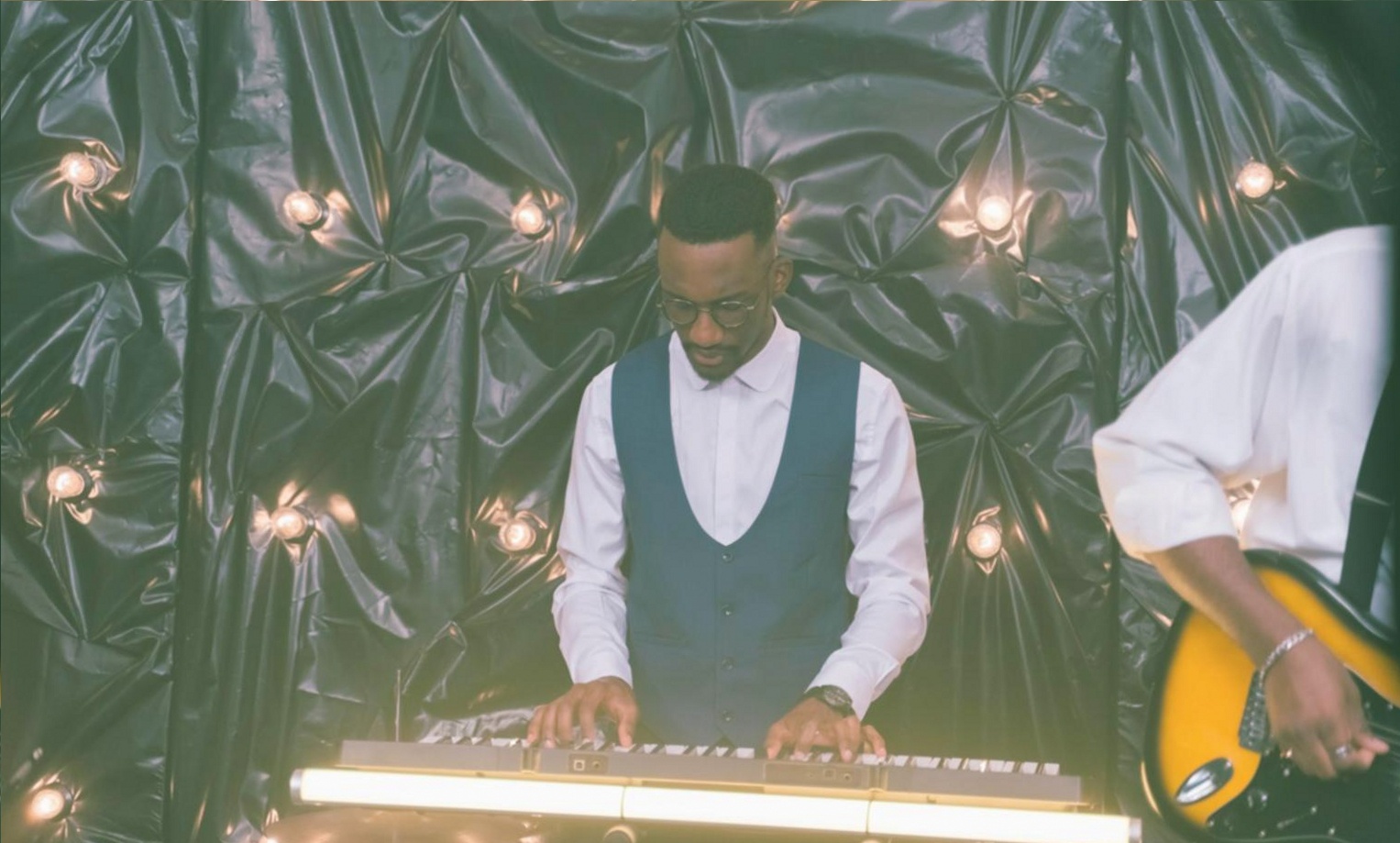
Recording studio environment showing microphone setup and acoustic treatment
12+ Techniques covered each month
Opinion-driven analysis & commentary

Articles worth reading

Gain Staging Is Probably Why Your Recordings Sound Muddy

Gain Staging Is Probably Why Your Recordings Sound Muddy

A practical look at the signal level mistakes that quietly destroy home recordings before mixing even begins

If your mixes feel congested and unclear despite trying everything, gain staging errors are almost certainly the cause. Here is what most home recordists get wrong.

Read article


Your Vocal Recordings Sound Thin Because of Where You Put the Microphone

Your Vocal Recordings Sound Thin Because of Where You Put the Microphone

Why positioning choices made before you press record determine more about vocal tone than any plugin you apply afterwards

Microphone placement decisions made in the first ten seconds of a session can ruin an otherwise good vocal performance. These are the positioning errors that are easiest to overlook.

Read article
Recording in an Untreated Room Is the Problem You Keep Skipping Over

Recording in an Untreated Room Is the Problem You Keep Skipping Over

The acoustic problems that make better gear irrelevant until they are addressed

Acoustic treatment is consistently the last thing home recordists invest in, but it is usually the first thing affecting their results. Here is an honest look at what untreated rooms do to recordings.

Read article
Compressing While Recording Is a Decision You Cannot Undo

Compressing While Recording Is a Decision You Cannot Undo

How printing compression during tracking removes options that matter most when you reach the mixing stage

Applying compression during tracking feels like a professional move. For most home recordists working without years of experience, it is a permanent mistake baked into every take.

Read article
Recording Guitar and Bass Direct Has Specific Problems Nobody Warns You About

Recording Guitar and Bass Direct Has Specific Problems Nobody Warns You About

The impedance, monitoring, and signal chain problems that make direct recording harder than it looks

DI recording seems straightforward until you listen back and the tone is lifeless or the low end is uncontrolled. These are the technical reasons that happens and what to do about it.

Read article

Recording by the numbers

8ms Latency threshold most engineers work within on tracking sessions
3dB Difference in gain that mic distance alone can produce at 15 cm vs 30 cm
24bit Bit depth where headroom stops being a practical concern for most sessions
96kHz Sample rate that captures enough detail for aggressive pitch-shifting in post

What this community is actually about

Recording forums are full of gear debates. This is not that. The writing here focuses on decisions - when to use a room mic, how to handle a difficult vocalist, what a compressor setting actually does to transients in a specific context.

Specific knowledge beats broad advice every time you sit down at a console.

Contributors come from different backgrounds - some from classical recording, some from bedroom production, some from live sound. That mix is deliberate. A technique that works in one context often fails in another, and knowing why is the point.

Areas covered in depth

Mic technique
88%
Signal routing
74%
Room treatment
61%
Compression
82%
Monitoring
67%

Recording angles we keep returning to

Proximity effect in practice

Moving a cardioid mic from 30 cm to 8 cm adds roughly 6 dB of low-frequency energy. Whether that helps or hurts depends entirely on the source and the arrangement it sits in.

Parallel compression without the clichés

New York compression gets referenced constantly but rarely explained well. The ratio of dry to wet signal matters more than the compressor settings, and most engineers get that ratio wrong on the first pass.

When room treatment actually helps

Bass trapping works below 300 Hz. Foam panels do not. Understanding which frequency range is causing problems before buying anything saves time and money - and usually points toward a different recording position instead.